
Mobility Adaptation
Mobility changes.
Life should not stop.
Needs change. What you move with should change too. We select the wheelchairs, walkers and mobility products that fit where you are now, and we tell you plainly when it is time for something different.
STAY MOVING.
Independence is the product. The equipment is how it gets delivered.
The category we work in
Mobility Adaptation
Mobility Adaptation is the ongoing process of changing equipment, support, and routines as a person's needs change so they can continue moving safely, confidently, and independently.
Most shops sell equipment as a one-off: something went wrong, you buy a thing, the transaction ends. That is why so much of it ends up unused. Needs keep moving, and the right answer moves with them.
What adaptation actually looks likeWhat we cover
We reject almost everything.
Four products carry our name today. Everything else we looked at is either still being checked or was not good enough to put in front of you. That is the job.
Silvera Approved
Four products we would put a parent in.
Every one of these had to survive the same question: would we recommend it to our own family, knowing what is wrong with it?
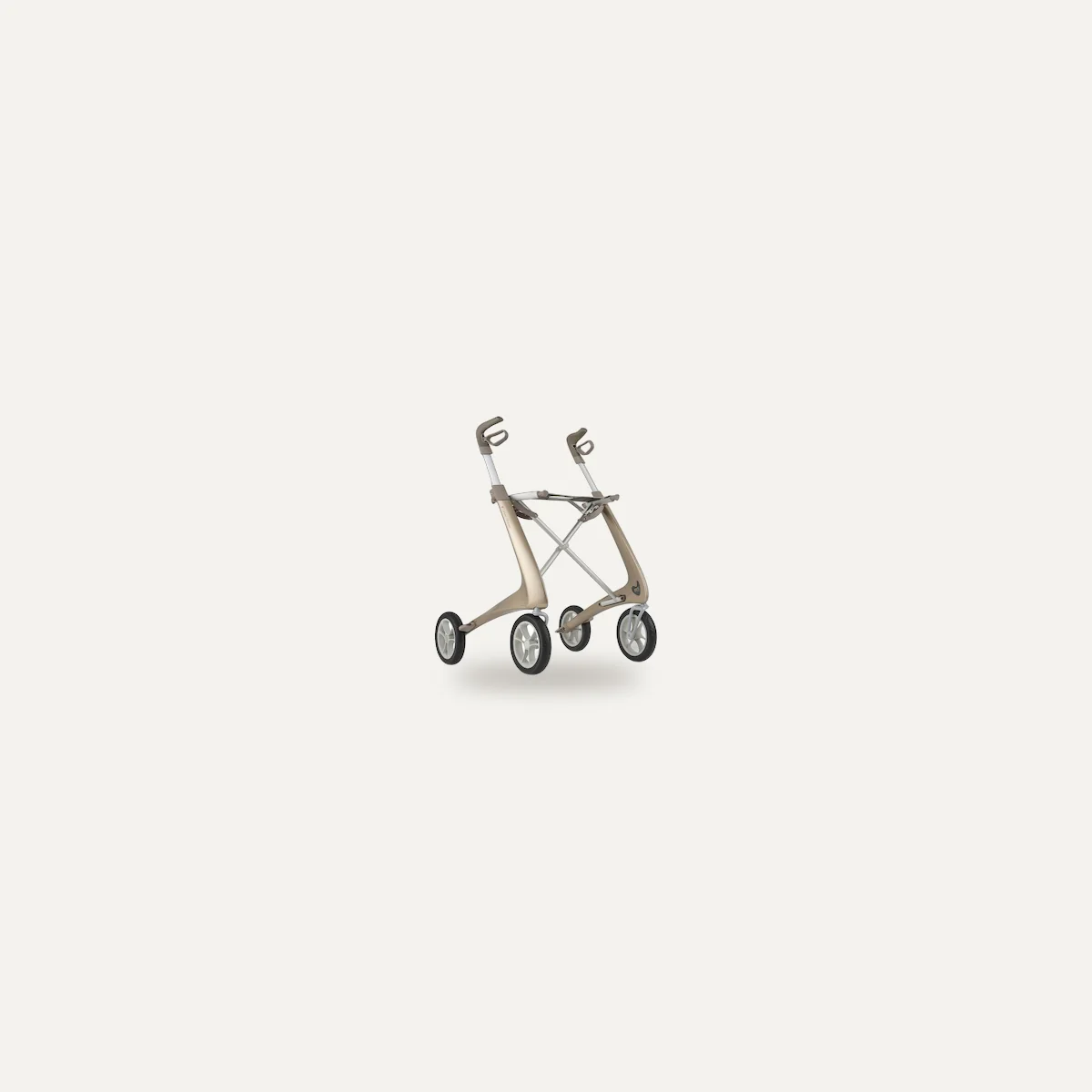 Best rollator, and the one we recommend most
byACRE Carbon Ultralight
Buy this one.
from $1,095
See why →
Best rollator, and the one we recommend most
byACRE Carbon Ultralight
Buy this one.
from $1,095
See why →
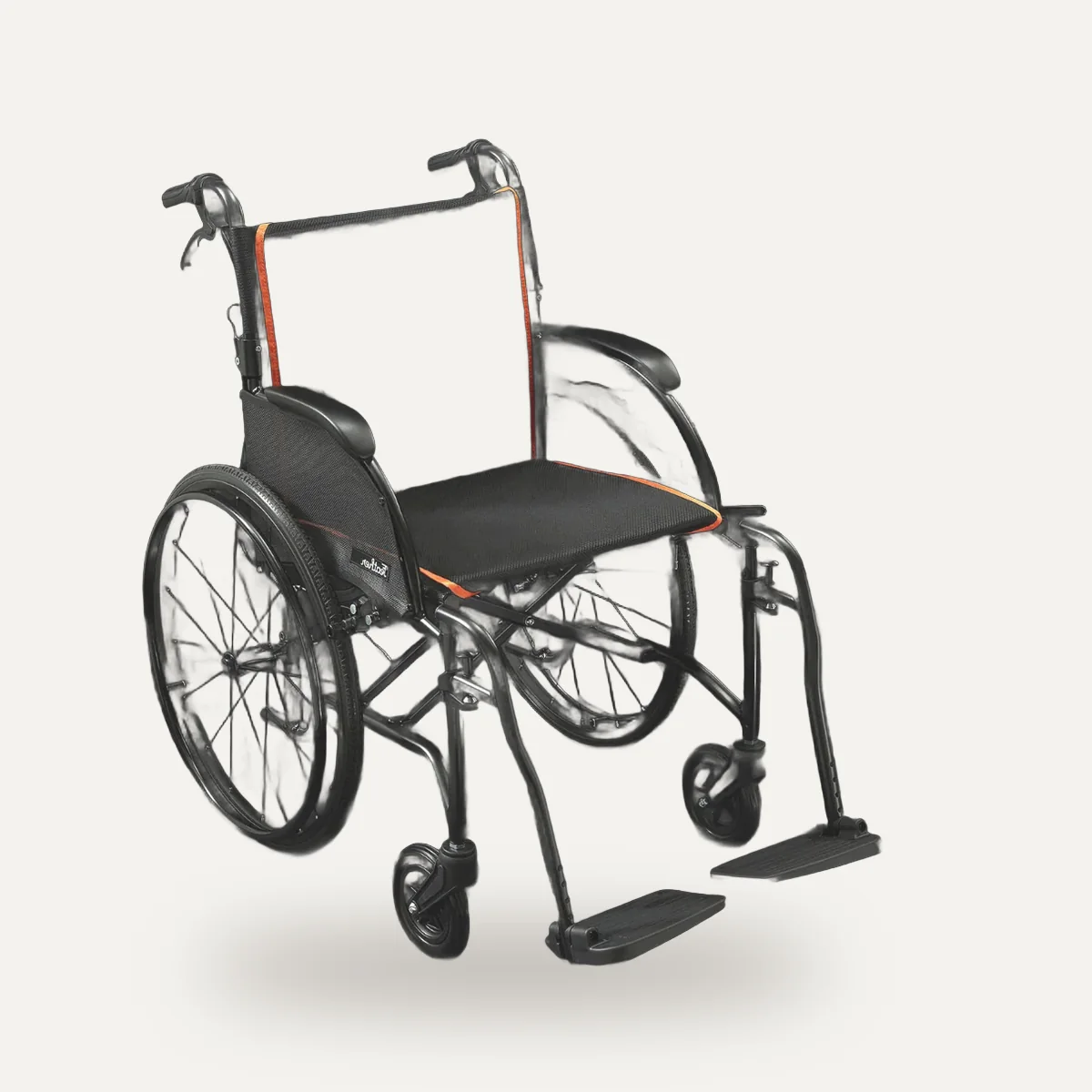 Best for lifting into a car single-handed
Feather Chair
This is the chair to buy when the person doing the lifting is the constraint.
from $1,199
See why →
Best for lifting into a car single-handed
Feather Chair
This is the chair to buy when the person doing the lifting is the constraint.
from $1,199
See why →
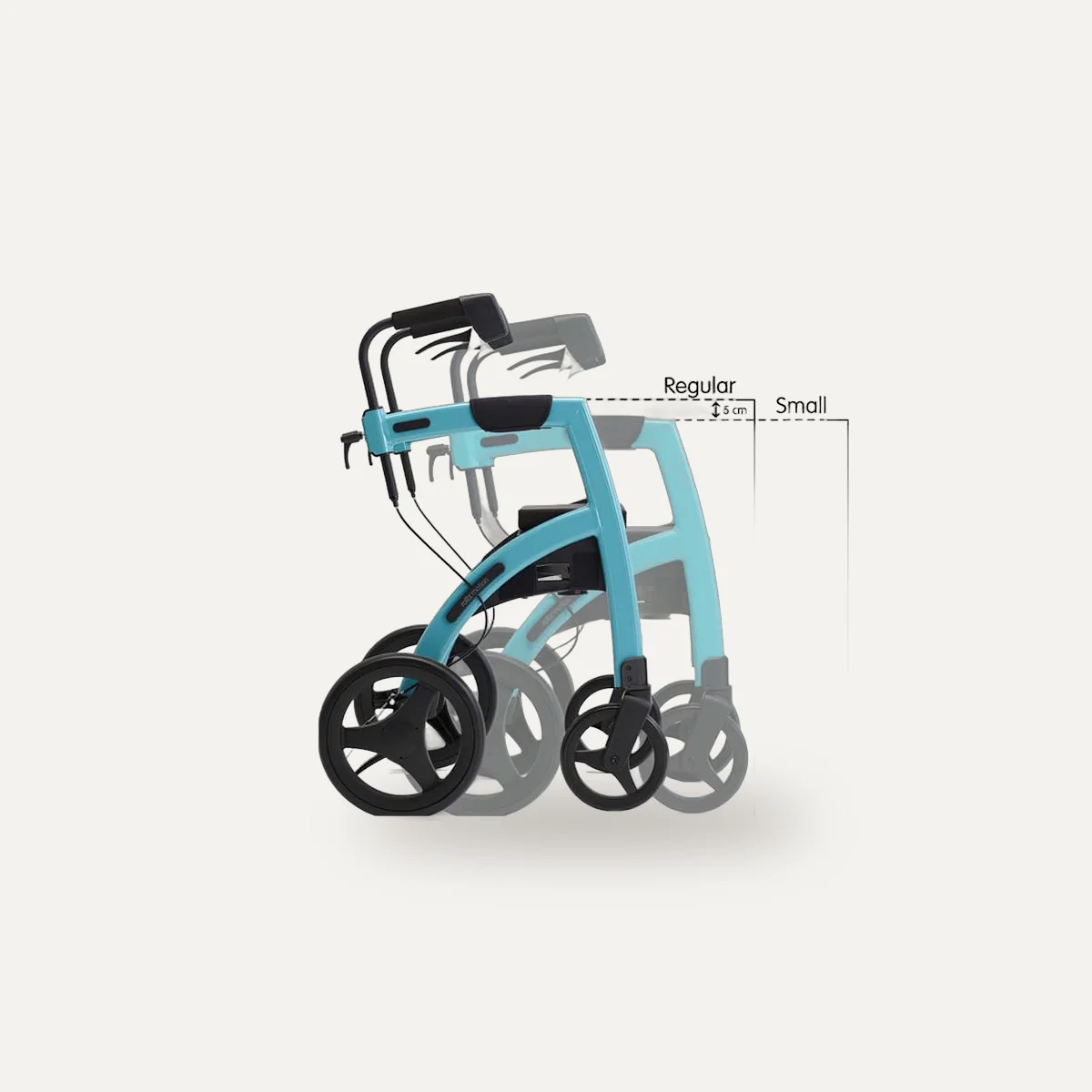 Best for a walk that is longer than the stamina
Rollz Motion 2
This is a rollator that converts into a transport chair in about a minute, and it solves a specific and very common problem: the person can walk, but not as far as the outing requires.
from $1,149.95
See why →
Best for a walk that is longer than the stamina
Rollz Motion 2
This is a rollator that converts into a transport chair in about a minute, and it solves a specific and very common problem: the person can walk, but not as far as the outing requires.
from $1,149.95
See why →
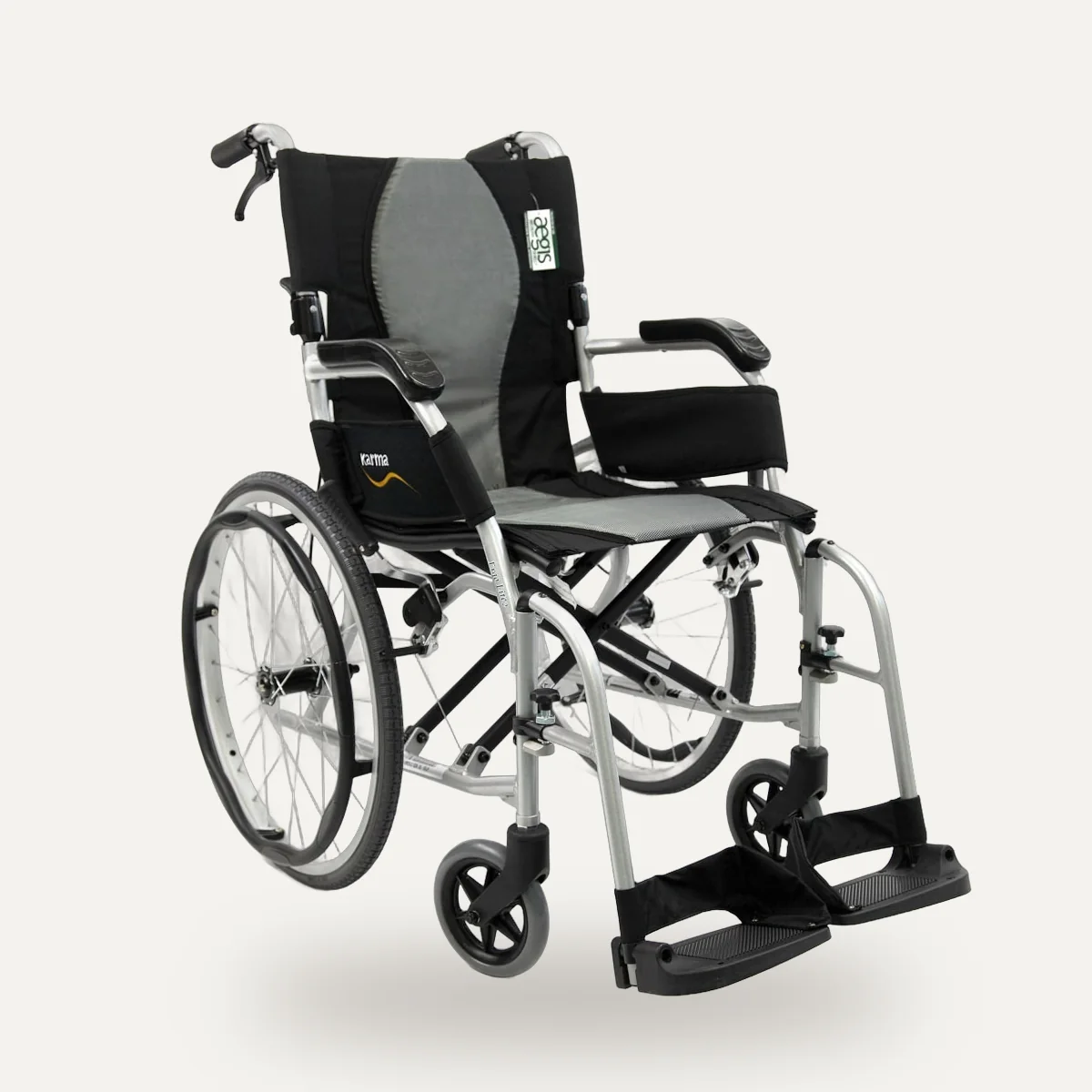 Best for comfort over longer sittings
Karman Ergo Flight (Ergo Lite 2)
The S-shaped seat frame is the reason to buy this one.
from $899
See why →
Best for comfort over longer sittings
Karman Ergo Flight (Ergo Lite 2)
The S-shaped seat frame is the reason to buy this one.
from $899
See why →
Why so few
We do not carry everything. That is the point.
There are thousands of wheelchairs available to us. Listing them would take an afternoon and would make this site worthless, because the problem you have is not a shortage of options. It is that you cannot tell which of them is right.
So we do the sorting. We evaluate products against specific real-world needs, we explain the weaknesses rather than only the benefits, and we say plainly when a cheaper product is the better buy. When a category has only two products worth owning, that category has two products.
How we chooseWhy Silvera exists
It started with our own parents.
Silvera Mobility grew out of the ordinary experience of helping our own parents with mobility, safety and independence. We saw how hard it was to tell a genuinely useful product from an endless catalog of near-identical ones making the same generic claims.
Silvera exists to make those decisions clearer. The test we apply to everything here is the one we applied then: would we recommend this to our own parents, knowing exactly what is wrong with it.
Before you buy
The questions that decide it.
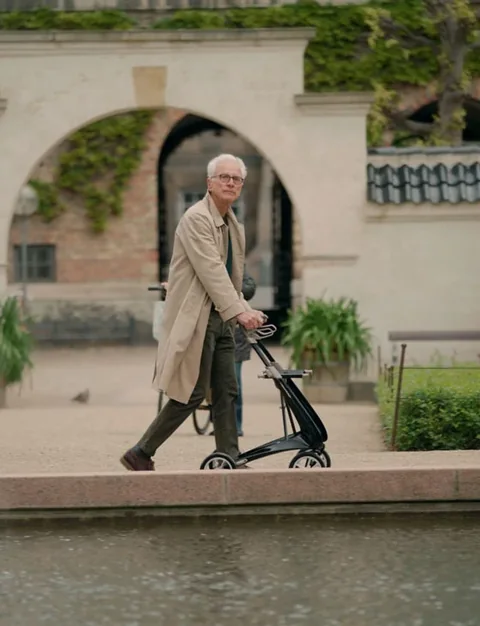 When a cane is no longer enough
The signs that one point of contact has stopped being sufficient, and why the next step is usually taken about a year too late.
When a cane is no longer enough
The signs that one point of contact has stopped being sufficient, and why the next step is usually taken about a year too late.
 How do you know it is time to change equipment?
One test that works better than any checklist: has their world got smaller, and did anybody notice when.
How do you know it is time to change equipment?
One test that works better than any checklist: has their world got smaller, and did anybody notice when.
 When someone refuses to use a walker
Refusal is usually a reasonable objection to a real cost. What the objection actually is, and what changes it.
When someone refuses to use a walker
Refusal is usually a reasonable objection to a real cost. What the objection actually is, and what changes it.
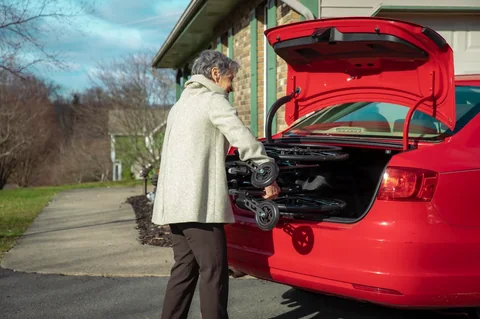 What comes before a wheelchair
The middle steps most people skip, and why going straight to a chair costs walking that could have been kept.
What comes before a wheelchair
The middle steps most people skip, and why going straight to a chair costs walking that could have been kept.
Not sure
Tell us the situation. We will tell you which one.
A few questions about who it is for, where it will be used and who is lifting it. You get a straight recommendation, including "none of these" when that is the honest answer.